

Huntington Concrete Cleaning
Concrete Cleaning in Huntington, WV
Professional Concrete Cleaning in Huntington, WV. Call 304.460.5004.
Overview
Concrete surfaces accumulate organic growth, embedded dirt, and environmental staining over time. Concrete cleaning focuses on restoring appearance, traction, and sanitation using surface-appropriate pressure and detergents. A proper process combines pre-treatment, controlled surface cleaning, and post-treatment where beneficial, helping cleaned concrete stay cleaner longer and reducing slip hazards in high-traffic areas.
What This Service Is
Concrete Cleaning is built to solve one primary problem: removing organic growth and surface buildup safely, without creating damage, mess, or surprises. The focus is on outcomes (clean, uniform appearance) using surface-appropriate methods—not “maximum pressure.”
What’s Included
- Pre-treatment to loosen organic buildup and general grime
- Surface-appropriate pressure cleaning with controlled edges
- Optional hot water/spot treatment when required (if added)
- Post-treatment algaecide where appropriate
- Final rinse and cleanup of adjacent splash zones
What’s Not Included
- Guaranteed removal of oil/rust/paint/acid stains without specialty treatment
- Resealing or coating work unless separately scoped
- Paver re-sanding/re-stabilization unless added
Expected Results
Expect improved brightness and traction by removing organic buildup and surface grime. Stain removal depends on stain type and dwell/specialty treatment.
Common Questions Buyers Ask
- If you need it to look better fast (before guests/tenants), this is the highest-impact surface to clean.
- If stains are the main concern, we’ll separate what’s organic vs what needs specialty treatment.
How to Get a Fast Quote
Share the surface type(s), approximate size, access notes, and any areas of concern (heavy shade, staining, prior coatings). We’ll confirm scope up front and recommend add-ons only when they materially improve your result.
Process
- Surface & Stain Evaluation
<p>Concrete condition and staining types are identified to set realistic expectations.</p> - Dry Debris Removal
<p>Loose debris is removed to prevent streaking and improve surface cleaning efficiency.</p> - Pre-Treatment Application
<p>Detergents are applied to loosen organic growth and embedded contaminants.</p> - Dwell Time
<p>Pre-treatments are allowed to work before rinsing.</p> - Controlled Surface Cleaning
<p>Pressure is adjusted to clean effectively without etching.</p> - Rinse & Edge Detailing
<p>Edges, joints, and transitions are detailed for a consistent finish.</p> - Post-Treatment (When Appropriate)
<p>A post-treatment may be applied to help slow organic regrowth.</p>
Surfaces We Clean
- Driveways — <p>Vehicle-exposed surfaces prone to organic growth and traffic film.</p>
- Sidewalks & Walkways — <p>Pedestrian areas where traction and appearance matter.</p>
- Patios — <p>Outdoor living areas affected by shade and moisture.</p>
- Pool Decks — <p>High-moisture zones prone to algae and mildew.</p>
- Front Steps — <p>Entryway concrete subject to heavy use.</p>
- Commercial Sidewalk Aprons — <p>High-traffic areas exposed to runoff and residue.</p>
- Stamped Concrete — <p>Textured concrete requiring careful pressure control.</p>
- Concrete Curbs — <p>Edges that collect buildup and tire splash.</p>
- Concrete Pads — <p>Utility and equipment pads that trap organic staining.</p>
- Parking Areas — <p>Large concrete areas with recurring organic and traffic contamination.</p>
Limitations
- Organic Growth vs Stains — <p>Organic buildup is typically removable. Oil, rust, paint, fertilizer stains, and battery acid may require specialty treatment and are not guaranteed.</p>
- Sealer Variability — <p>Existing sealers/coatings can change results and may be affected by cleaning; we adjust methods but cannot guarantee uniform appearance.</p>
- Hot Water Add-On — <p>Heavily embedded grime or certain stains may require hot water or specialty detergents as a separate add-on.</p>
- Joint Sand/Polymeric — <p>High-pressure rinsing can disturb joint sand in pavers; pavers may require re-sanding (separate).</p>
- Etching Risk on Soft Crete — <p>Older or softer concrete can etch if aggressively cleaned; we use surface-appropriate methods to reduce risk.</p>
- Weather & Drainage — <p>Results can be influenced by temperature and drainage; freezing conditions may limit service.</p>
FAQs
Will pressure washing damage concrete?
<p>Pressure is adjusted to avoid etching; surface condition influences approach.</p>
Can you remove oil stains?
<p>Oil stains may improve, but complete removal is not always possible depending on depth and age.</p>
What causes green buildup on concrete?
<p>It’s typically algae thriving in damp or shaded areas.</p>
How long before I can walk or drive on it?
<p>Most areas can be used once dry; drying time varies by weather and shade.</p>
Do you use a surface cleaner?
<p>Surface cleaners are commonly used to produce consistent results on flat concrete.</p>
Why do some stains remain after cleaning?
<p>Deep staining and mineral discoloration can remain even after thorough cleaning.</p>
Is post-treatment necessary?
<p>Post-treatment can help slow organic regrowth, especially in shaded areas.</p>
Will cleaning make concrete look patchy?
<p>Uniform pre-treatment and consistent passes reduce patchiness; existing wear can still show.</p>
Can stamped concrete be cleaned safely?
<p>Yes, with controlled pressure and appropriate detergents.</p>
Does concrete cleaning help with slippery surfaces?
<p>Removing algae and biofilm improves traction in many cases.</p>
Other Services in This City
Why It Matters
People often expect all stains to disappear, then get disappointed when oil or rust doesn’t fully release. We separate organic buildup from true staining and recommend specialty treatment only when it’s actually needed, so you get a predictable result instead of a surprise.
Areas Served
Other Services in This City
-
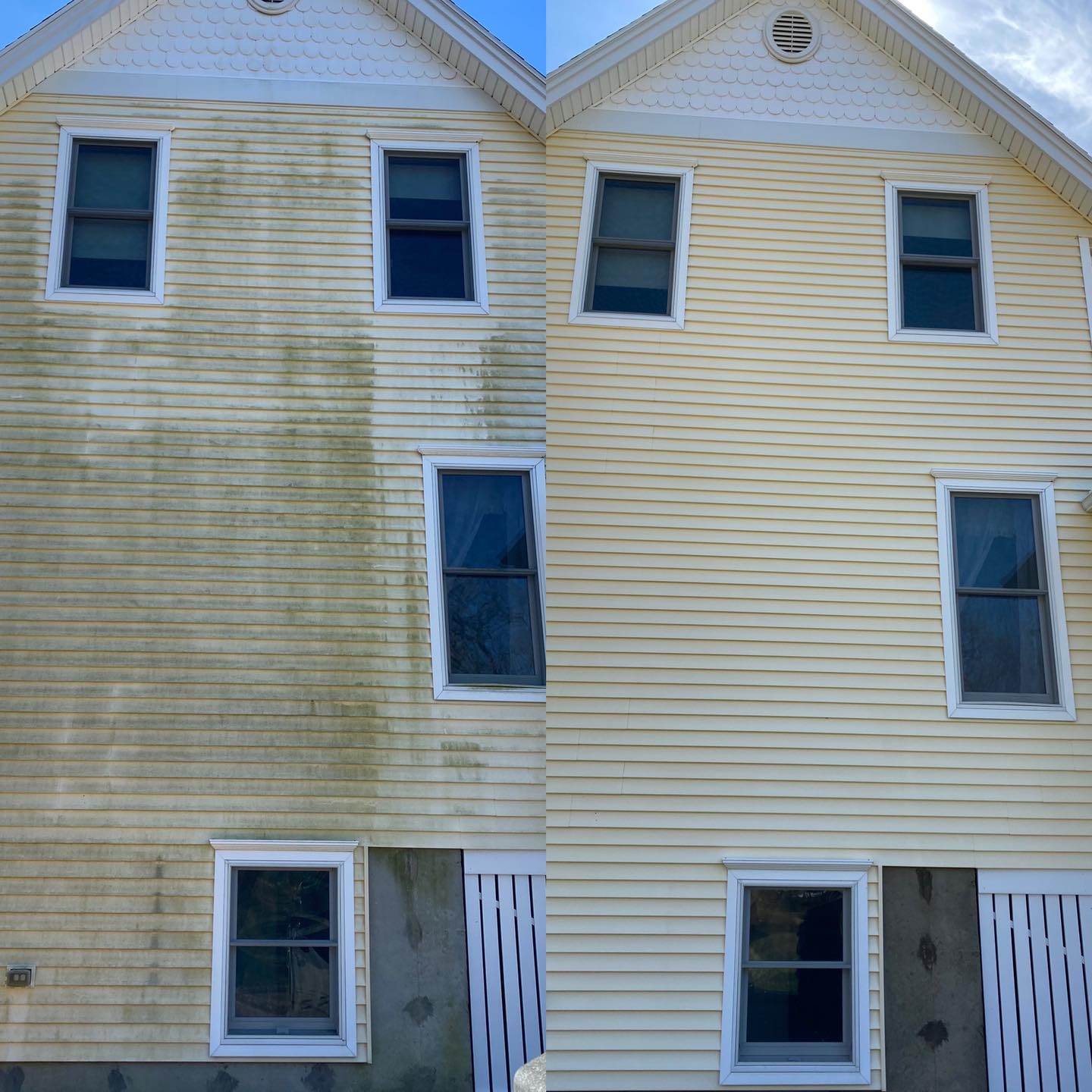
Enhancing Curb Appeal: The Impact of Pressure Washing Charleston WV
Selling your home in the Charleston, WV area involves numerous…
-
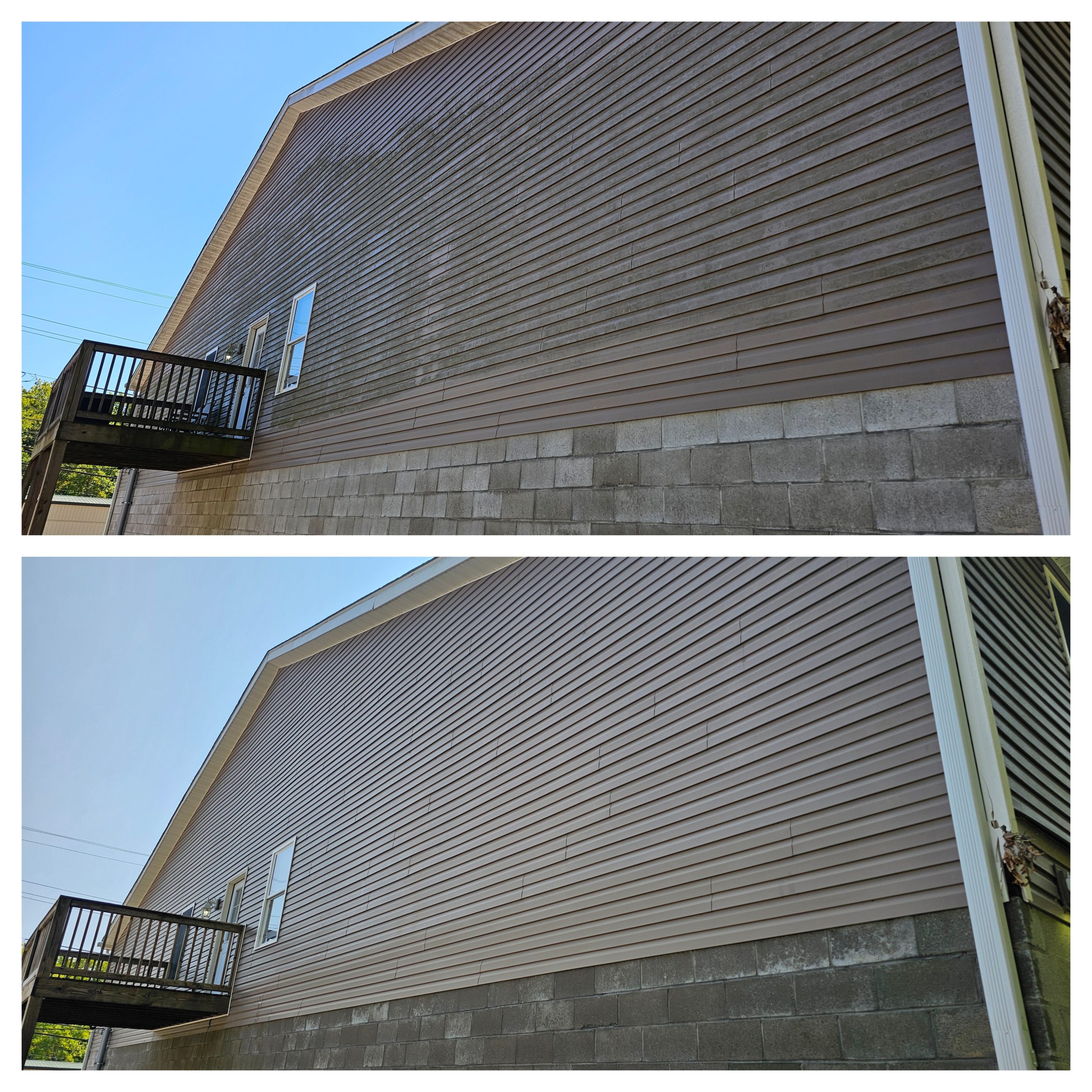
Pressure washing Kenova Wv, why your home needs it desperately
Is your Kenova home looking a little worse for wear?…
-
What is the Difference Between Pressure Washing and Power Washing?
Both methods are popular for cleaning outdoor surfaces, but they…

Where to find us?
Whether you’re in Huntington, Barboursville, or the Tri-State area of West Virginia, Ohio, and Kentucky, SoftWash WV concierges are here to provide expert soft washing, pressure washing, and power washing services tailored to your needs.
Contact us to enjoy a cleaner, more beautiful property.
Search
Say goodbye to dirt and frowns with our expert cleaning services! Let our concierge assist in your custom plan to lift the dirt away and turn those frowns upside down. Huntington WV trusts SoftWash WV for life! We handle the dirty jobs, leaving your property sparkling clean and your spirits lifted. Contact us today!